Rickshaw Wala — Indian Retro Music
The deck above streams the Rickshaw Wala retro music playlist — a rolling mix of Indian street music, filmi playback and 90s Hindi song favourites, from deluxe saloon chartbusters to B-side cassette gems. Audio only: no video, just the ride.
All songs stream through YouTube's official player from a public playlist — audio only, no downloads are offered on this site.
आज की रिक्शा वाली शायरी
Rickshaw Wala Shayari
Mumbai Life
सुबह की पहली साँस मुंबई की, ऑटो की आवाज़ और चाय की महक, दिन शुरू होता है दौड़ से, मगर दिल में बसती है रहमत।
1 / 55
About Rickshaw Wala
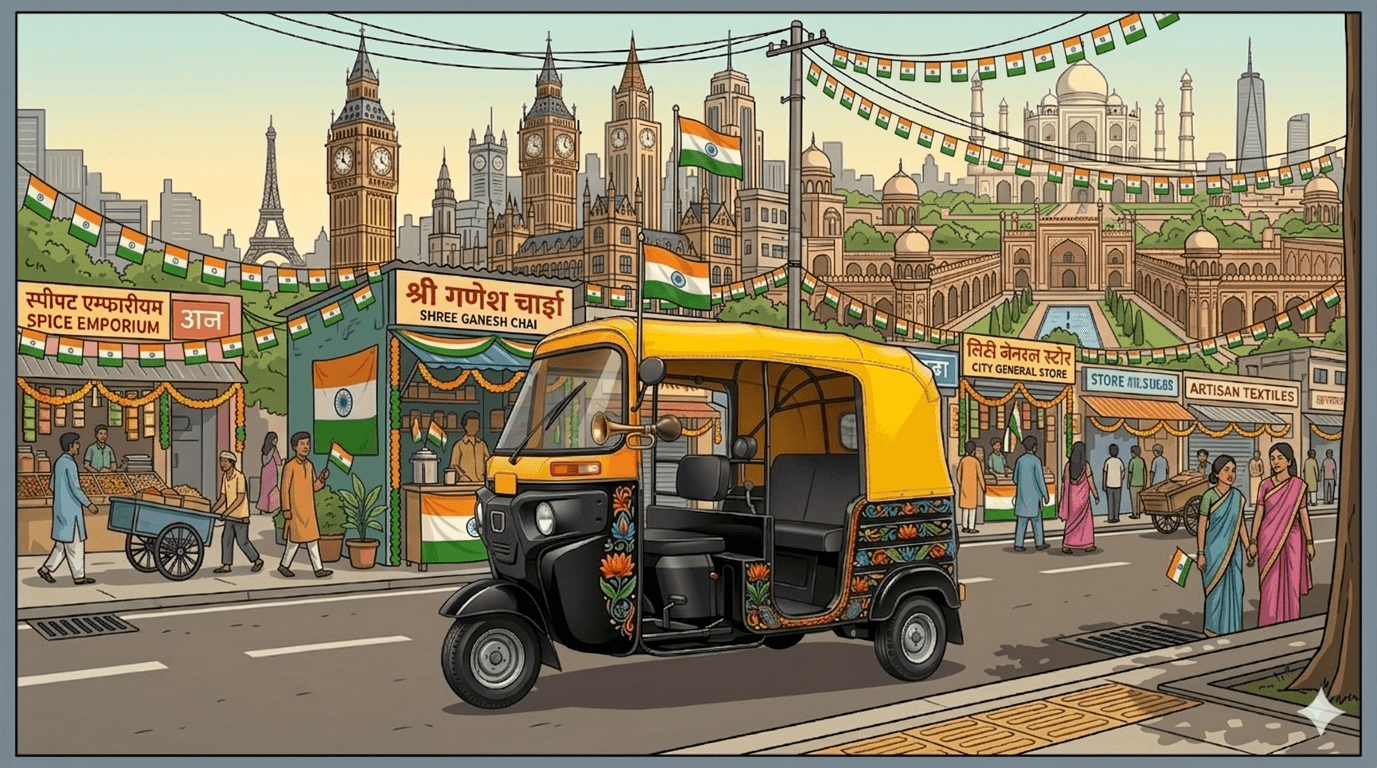
Rickshaw Wala is an independent, retro-styled cultural tribute inspired by the people who keep India moving every day — the auto-rickshaw drivers of Mumbai, Pune, Ahmedabad, Delhi, and every arterial road in between. It is a love letter to the mechanical soul of the three-wheeler: the black-and-yellow livery, the hand-painted numbering on the mudguard, the crackling cassette deck mounted beneath the dashboard, and the unyielding hustle of urban street life.
Introduced to Indian cities in the late 1950s as an affordable, agile alternative to four-wheeled taxis, the three-wheeled motorized rickshaw evolved into the undisputed circulatory system of modern Indian transit. Navigating congested bazaars, monsoon-flooded underpasses, and narrow residential bylanes that buses cannot fathom, the auto-rickshaw bridges the gap between home and public transport hubs.
Behind the handlebar sits an urban navigator who manages a micro-enterprise on wheels. From the early-morning school runs and peak-hour suburban station queues to late-night emergency hospital trips, drivers balance fuel costs, daily vehicle rental fees (*khepi*), mechanical maintenance, and unpredictable traffic conditions. The cabin itself is an intimate cultural space—adorned with velvet-lined dashboard shrines, marigold garlands, reflective sticker slogans, and twin stereo speakers blasting 90s Bollywood playback that keeps the city singing along.
Rickshaw Wala celebrates that enduring spirit. Here, the horn is instant, the meter is always down, and the ride plays the soundtrack of the Indian street: unfiltered, resilient, and unapologetically alive.
The Meaning of Meter Down
मीटर डाउन कर भाई — “Meter down, bhai” — is how an auto-rickshaw journey in India officially begins. The driver drops the meter, the fare starts ticking, and the city rolls by in three-wheeled theatre. Rickshaw Wala borrows that ritual as its theme: when the meter goes down, the ride — and the music — has started.
Keep Exploring
Guides, Tools & Stories for Drivers
Learn more about the trade, calculate operating economics, or explore the history behind the meter:
A Driver's Day Routine →
Shifts, CNG queues, peak hours, and operating cost categories.
Trip Earnings Calculator →
Model your net take-home earnings from daily fares and fuel expenses.
Routine Maintenance Checks →
Essential pre-trip checks for tyres, oils, brakes, and spark plugs.
India's Wala Culture
In Hindi, “wala” tags a person to their trade: rickshaw wala, auto wala, chai wala, taxi wala, bus wala, truck wala, dhaba wala. It turns a word into a worker, and a worker into the street's daily character.
This site celebrates the most iconic of them all — the rickshaw wala — whose black-and-yellow auto and unshakeable hustle stand for ordinary Indian life at its most alive.
The Person Behind the Meter
Behind every auto is a driver who knows the city like the lines of a palm: which lane is empty at nine in the morning, which bridge floods in the monsoon, where the late-night passenger is heading home. The auto-rickshaw may feel like a cheap ride to the passenger, but to the person at the wheel it is a small business running on patience, timing and route knowledge.
That is the spirit Rickshaw Wala wants to keep playing — the everyday hustle, the quick banter at a traffic light, the cassette or phone FM filling the cabin, and the meter that never stops ticking.